ripnet.us
https://ripnet.us
My page about stuffTue Apr 28 16:47:37 2026 / +0000 GMTUniversal Post Manager 1.1.2 [ www.ProfProjects.com ] Kitchen Under Cabinet Lights
http://ripnet.us/?p=152
Tue Apr 28 16:47:37 2026 / +0000 GMThttp://ripnet.us/?p=152Unicorn Electronics, I found this LED strip:
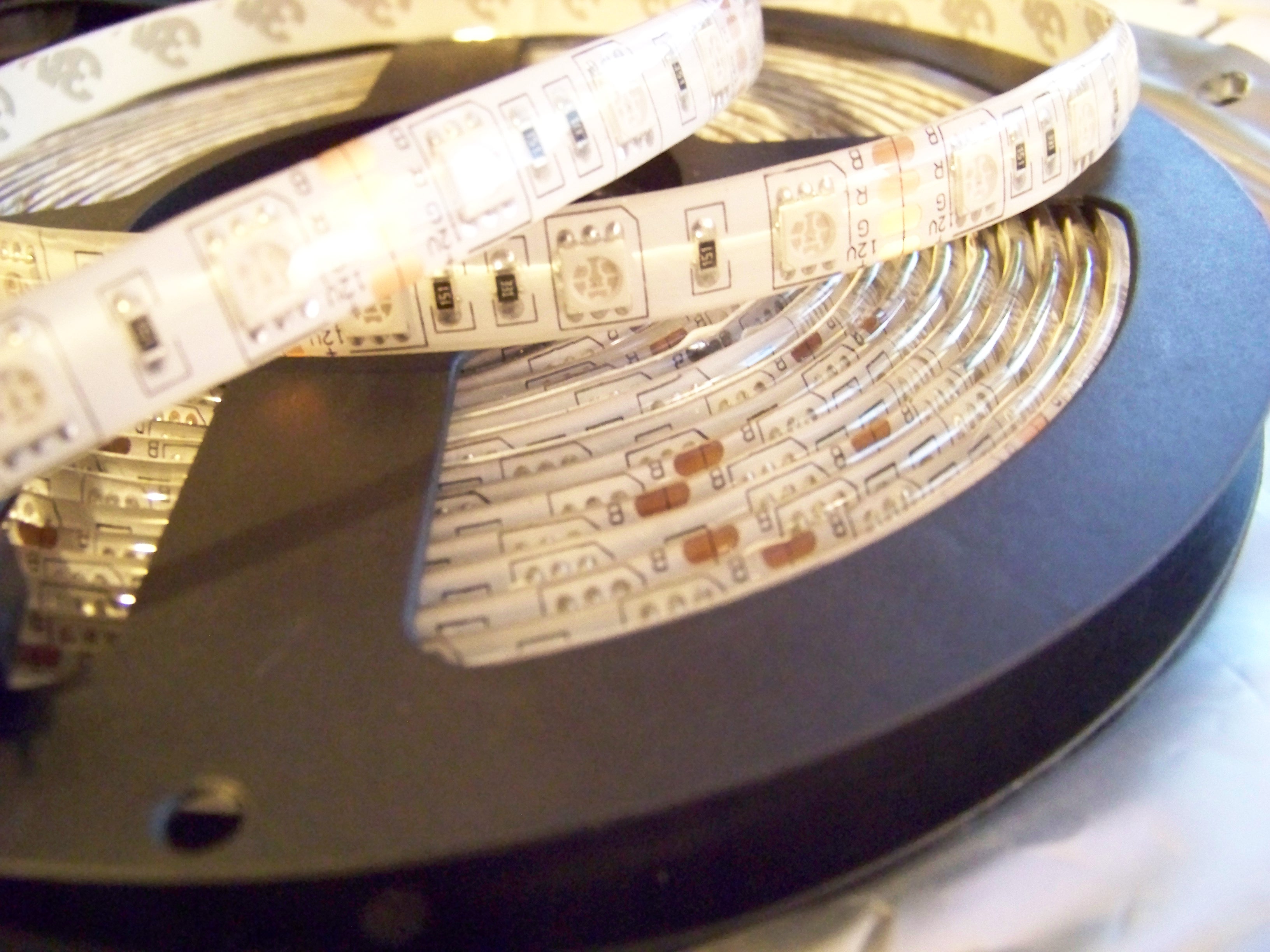
It's a 5 meter strip of 5050 RGB LEDs, on a spool, covered in waterproof resin. You can cut them every 3 LEDs (50mm) and the strip has a self-adhesive backing. Seems perfect for cabinets!
These things are pretty neat, and are very bright. The electrical connection to the strip is very simple. You supply 12V to a common rail, and each of the colors has a ground connection. The store sold an LED light strip controller so you can change colors, brightness, etc, but where's the fun in that? I set off to make my own.
I wanted to be able to control them from the kitchen, but I don't want yet another remote that I'll either lose, or the dog will eat, or whatever. I also don't want a big power brick or extra power cord plugged in anywhere.
So I came up with this type of solution:
The controller will be in the kitchen, but the interface (where everything plugs in to) will be in the basement, directly below.
For the controller, I had an idea of using a blank electrical outlet cover and putting a rotary encoder (spinning knob) in the middle. Sparkfun.com sells just such an item! I actually already had a bunch for a flight simulator project I'm working on.
Next up, I'll design the controller. Stay tuned.]]>1522015-04-24 21:12:122015-04-25 01:12:12
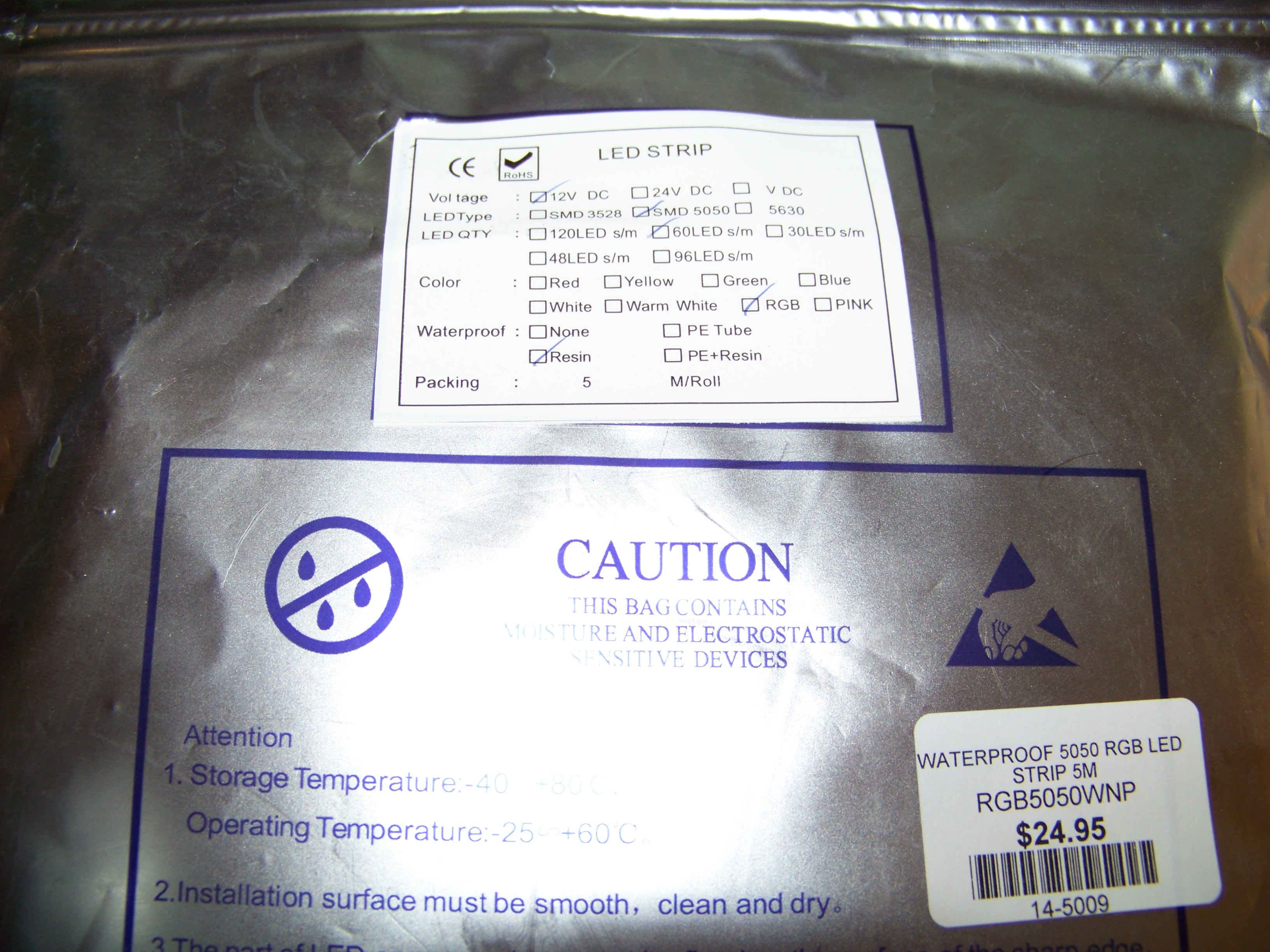 It's a 5 meter strip of 5050 RGB LEDs, on a spool, covered in waterproof resin. You can cut them every 3 LEDs (50mm) and the strip has a self-adhesive backing. Seems perfect for cabinets!
These things are pretty neat, and are very bright. The electrical connection to the strip is very simple. You supply 12V to a common rail, and each of the colors has a ground connection. The store sold an LED light strip controller so you can change colors, brightness, etc, but where's the fun in that? I set off to make my own.
It's a 5 meter strip of 5050 RGB LEDs, on a spool, covered in waterproof resin. You can cut them every 3 LEDs (50mm) and the strip has a self-adhesive backing. Seems perfect for cabinets!
These things are pretty neat, and are very bright. The electrical connection to the strip is very simple. You supply 12V to a common rail, and each of the colors has a ground connection. The store sold an LED light strip controller so you can change colors, brightness, etc, but where's the fun in that? I set off to make my own.
 I wanted to be able to control them from the kitchen, but I don't want yet another remote that I'll either lose, or the dog will eat, or whatever. I also don't want a big power brick or extra power cord plugged in anywhere.
So I came up with this type of solution:
I wanted to be able to control them from the kitchen, but I don't want yet another remote that I'll either lose, or the dog will eat, or whatever. I also don't want a big power brick or extra power cord plugged in anywhere.
So I came up with this type of solution:
 The controller will be in the kitchen, but the interface (where everything plugs in to) will be in the basement, directly below.
For the controller, I had an idea of using a blank electrical outlet cover
The controller will be in the kitchen, but the interface (where everything plugs in to) will be in the basement, directly below.
For the controller, I had an idea of using a blank electrical outlet cover 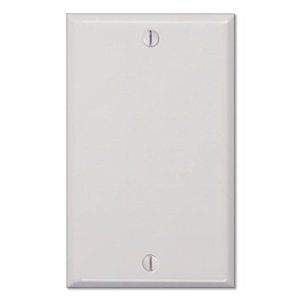 and putting a rotary encoder (spinning knob) in the middle. Sparkfun.com sells just such an item!
  I actually already had a bunch for a flight simulator project I'm working on.
Next up, I'll design the controller. Stay tuned.]]>
I actually already had a bunch for a flight simulator project I'm working on.
Next up, I'll design the controller. Stay tuned.]]>